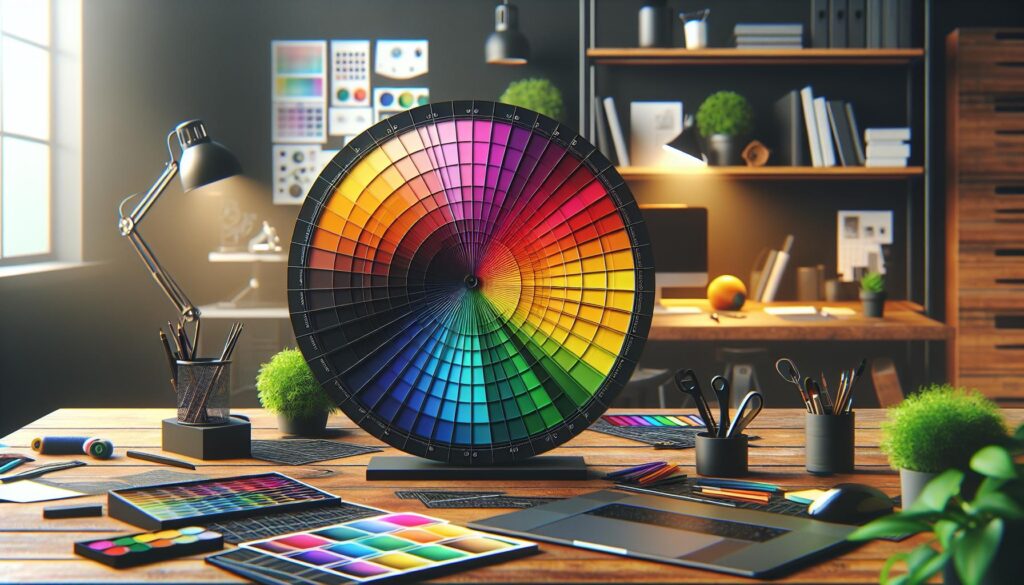
When it comes to web design, color plays a crucial role in creating an engaging user experience. Understanding the color wheel is essential for designers, especially when it comes to identifying primary and secondary colors. Secondary colors are formed by mixing two primary colors, and knowing which ones to use can enhance your website’s visual appeal.
In this article, I’ll dive into the significance of secondary colors in web design. I’ll explore what these colors are, how they impact user perception, and why they matter in your design strategy. Whether you’re a seasoned designer or just starting out, grasping this concept can elevate your projects and help you create more compelling websites.
Key Takeaways
- Understanding Color Theory: Familiarity with the color wheel is essential, as it helps in identifying primary colors and creating secondary colors that enrich web design.
- Definition of Secondary Colors: Secondary colors—green, orange, and purple—are formed by mixing two primary colors and are crucial for a well-rounded color palette.
- Impact on User Perception: Secondary colors can significantly influence emotions and user behavior, enhancing engagement and brand identity through thoughtful color choices.
- Role in Visual Hierarchy: These colors provide contrast, guiding user focus and making elements stand out, which is vital for effective web design.
- Examples of Secondary Colors: Green, orange, and purple are commonly used in web design, each conveying specific themes and emotions—growth, enthusiasm, and luxury, respectively.
- Strategic Usage: Effectively incorporating secondary colors can elevate the aesthetic quality of a website while reinforcing the intended message and brand values.
Understanding Color Theory
Color theory serves as a fundamental principle in web design, outlining how colors interact and influence user perception. The color wheel is central to this theory, consisting of primary colors—red, blue, and yellow. Understanding these primary colors allows me to create secondary colors by mixing them.
Secondary colors emerge from the combination of two primary colors. For instance:
- Green results from mixing blue and yellow.
- Orange arises from blending red and yellow.
- Purple forms by combining red and blue.
Utilizing secondary colors effectively enhances visual hierarchy, creates contrast, and conveys specific emotions. Designers often select secondary colors to complement primary colors, maintaining balance within the design. By considering color psychology, I can influence user behavior and engagement.
In web design, recognizing and applying this color theory ensures a more aesthetic and functional approach. Secondary colors not only provide visual interest but also play a critical role in branding and communication, reinforcing messages and values associated with my designs.
The Primary Colors in Web Design

Understanding primary colors is essential in web design. These colors serve as the foundation for creating secondary colors and enhancing user experience.
Red, Blue, and Yellow
Red, blue, and yellow are the primary colors used in web design.
- Red: Symbolizes passion and urgency. It attracts attention, making it effective for call-to-action buttons and notifications.
- Blue: Conveys trust and calmness. It’s popular among corporate brands, often used in interfaces to promote reliability.
- Yellow: Represents optimism and warmth. Used sparingly, it can draw attention and create a positive atmosphere.
These primary colors combine to form secondary colors—green, orange, and purple—by mixing any two primary colors, expanding the color palette available for designers. Their strategic use shapes brand identity and influences user engagement.
The Concept of Secondary Colors

Secondary colors play a crucial role in web design, enhancing visual appeal and user experience. Understanding these colors helps designers create more engaging interfaces.
Definition and Importance
Secondary colors are formed by mixing two primary colors. In web design, the primary colors are red, blue, and yellow. Combining red and blue produces purple, red and yellow create orange, and blue and yellow yield green. These secondary colors not only expand the color palette but also facilitate better visual hierarchy and brand identity.
Utilizing secondary colors effectively can convey specific emotions and messages. For instance, green often symbolizes growth and calmness, making it suitable for nature-related themes, while orange can evoke enthusiasm and vitality, ideal for dynamic brands. Designers must consider color combinations carefully, as different contexts can lead to varied user responses, significantly impacting engagement and perception.
In Web Design, Which Color Is Considered a Secondary Color?

In web design, secondary colors play a significant role in creating visually appealing layouts. These colors, formed by mixing primary colors, enhance user experience and influence perceptions.
Function of Secondary Colors
Secondary colors are crucial in establishing visual hierarchy and guiding user focus. They provide contrast against primary colors, making elements stand out. By integrating secondary colors, I can evoke specific emotions and communicate messages effectively. For instance, using green can imply growth, while orange can generate feelings of enthusiasm. Additionally, secondary colors enrich the overall color palette, allowing for more dynamic designs that maintain user engagement.
Examples in Web Design
Examples of secondary colors include:
- Green: Formed by mixing blue and yellow. Often used in nature-themed designs, it conveys growth and tranquility.
- Orange: Created by merging red and yellow. It’s effective in call-to-action buttons, evoking excitement and warmth.
- Purple: Resulting from the combination of red and blue. This color symbolizes creativity and luxury, making it suitable for premium brands.
Incorporating these secondary colors into web design not only enhances aesthetic appeal but also reinforces brand identity and encourages user interaction.
Understanding secondary colors is essential for any web designer aiming to create an engaging user experience. By effectively mixing primary colors, I can expand my palette and convey specific emotions that resonate with users.
Using secondary colors like green, orange, and purple not only enhances visual appeal but also strengthens brand identity. These colors play a pivotal role in guiding user focus and driving engagement.
As I continue to explore color combinations in my designs, I’ll keep in mind the profound impact these hues can have on user perception and interaction. Embracing the principles of color theory will ultimately lead to more effective and aesthetically pleasing web designs.