
Falotani might sound like a mythical creature from a fantasy novel, but it’s actually a delicious dish that’s ready to take your taste buds on an unforgettable adventure. Imagine sinking your teeth into a flavorful blend of spices, textures, and aromas that dance together in perfect harmony. Cooking falotani isn’t just about following a recipe; it’s about unleashing your inner chef and impressing friends and family with your culinary prowess.
What Is Falotani?
Falotani represents a unique culinary creation known for its intricate blend of spices and textures. Originating from various cultural influences, it offers savory flavors and aromatic essences, captivating food enthusiasts. This dish typically features a base of grains, legumes, or vegetables, accompanied by an assortment of spices.
Common spices used in falotani include cumin, coriander, and turmeric. Cumin adds warmth, while coriander brings a hint of citrus, enhancing overall flavor profiles. Turmeric not only benefits the taste but also contributes vibrant color.
Additionally, falotani can incorporate proteins such as chicken, lamb, or chickpeas. Each ingredient complements one another, creating a harmonious balance. Chefs often experiment with vegetable varieties to suit dietary preferences, making the dish versatile and appealing to many.
Falotani often finds its place in gatherings, showcasing culinary artistry. Its presentation plays a significant role in impressing guests. Serving falotani in a beautiful dish garnished with fresh herbs promotes visual appeal.
Traditionally, falotani encourages sharing and communal dining, fostering connections among those who enjoy it. Eating this dish often becomes a comforting experience filled with familiar tastes and aromas. Various regional adaptations exist, each showcasing local flavors and traditions.
Ultimately, falotani invites culinary creativity. Each preparation presents an opportunity to explore personal tastes and preferences, allowing for customization. This dish promises a delightful adventure in flavor, satisfying the palate while celebrating cultural diversity.
Ingredients Needed
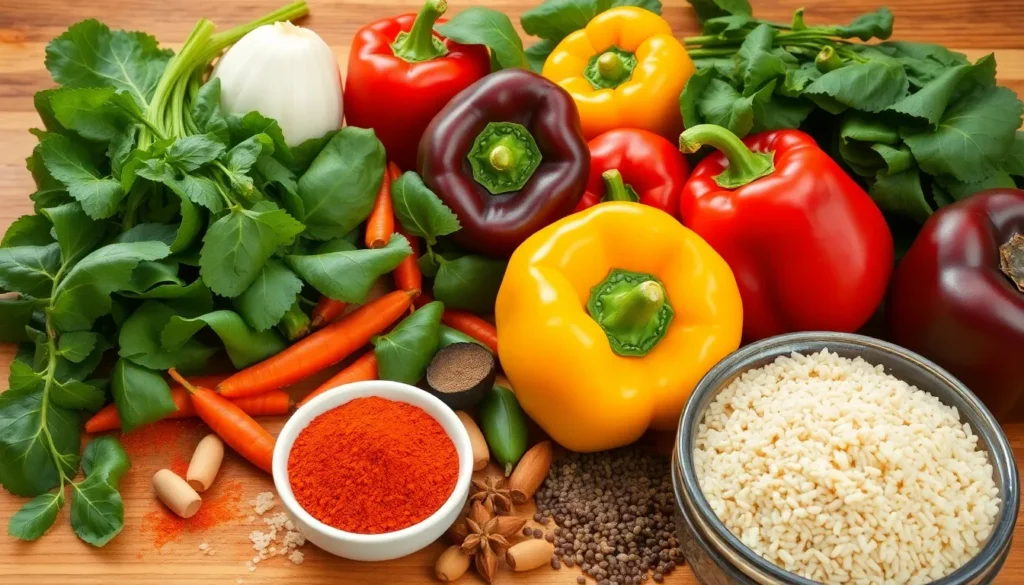
Cooking falotani requires a selection of key ingredients that bring out its unique flavors and textures. Selecting high-quality components will enhance the dish significantly.
Essential Ingredients
- Grains: Use basmati rice, quinoa, or bulgur as the base. Each option contributes a distinct texture and flavor.
- Legumes: Chickpeas or lentils work well, providing protein and heartiness.
- Vegetables: Include bell peppers, carrots, or spinach to add color and nutrients.
- Spices: Incorporate cumin, coriander, and turmeric to create the signature savory profile.
- Proteins: Chicken, lamb, or tofu can elevate the dish, catering to various dietary preferences.
Optional Ingredients
- Herbs: Fresh cilantro or parsley enhances freshness and visual appeal.
- Nuts: Toasted almonds or cashews introduce crunch and richness.
- Fruit: Dried apricots or raisins offer a hint of sweetness that balances the spices.
- Broth: Vegetable or chicken broth adds depth and enhances flavor complexity.
- Chili: Adding red pepper flakes or fresh chilies adjusts spice levels to individual tastes.
Cooking Techniques
Cooking falotani involves both traditional and modern methods, each offering unique flavors and techniques that enhance this dish. Traditional methods emphasize time-honored techniques, while modern approaches focus on convenience and efficiency.
Traditional Methods
Traditional techniques for cooking falotani often include slow-cooking or simmering, allowing flavors to meld. Cooks might start by toasting spices before adding grains or legumes, enhancing aroma and taste. Using clay pots or cast iron skillets is common, as these vessels retain heat evenly. Stirring the dish gently ensures ingredients do not stick to the bottom. Many prefer cooking over an open flame for that authentic smoky flavor. Lastly, adding fresh herbs and citrus just before serving elevates the dish’s freshness, creating a delightful balance of flavors.
Modern Approaches
Modern cooking techniques for falotani leverage technology for quicker preparation. Pressure cookers or instant pots provide efficiency by reducing cooking time significantly. Precooked grains and canned legumes streamline the process, allowing for swift assembly. One might use sauté pans or non-stick cookware for easy cleanup. Incorporating one-pan meal strategies simplifies the process, combining all elements in a single vessel. Fresh ingredients can still shine through, as quick stir-frying at the end retains their crispness and color, ensuring a vibrant presentation.
Step-by-Step Cooking Process
Preparing falotani involves carefully selecting and handling each ingredient. The following steps guide readers through this flavorful journey.
Preparing the Ingredients
Gather all necessary components before cooking. High-quality grains such as basmati rice, quinoa, or bulgur serve as the base. Choosing fresh vegetables, including bell peppers, carrots, and spinach, will enhance the texture. If protein is desired, options like chicken, lamb, or chickpeas offer versatility. Measure spices like cumin, coriander, and turmeric precisely. Consider adding optional ingredients, such as fresh herbs, nuts, or dried fruits, for additional flavor layers. Proper preparation sets the tone for a delicious final dish.
Cooking the Dish
Start by heating a pot over medium heat. Add a splash of oil, then sauté any chopped vegetables until they’re tender. Toast the chosen spices briefly to unlock their aromatic properties. Next, incorporate the grains and proteins, stirring them together. Pour in the appropriate amount of liquid, letting everything simmer until the grains absorb flavors. It’s essential to monitor water levels, adjusting as needed for doneness. Finish by folding in fresh herbs and a squeeze of citrus for brightness before serving. Presenting falotani elegantly contributes to an enjoyable dining experience.
Serving Suggestions
Serving falotani presents opportunities for creativity and personalization, resulting in an aesthetically pleasing and flavorful dish. One option for serving involves pairing it with fresh salads, such as a cucumber-tomato salad, which adds a refreshing crunch.
Enhancing flavors is simple with the addition of yogurt or tzatziki sauce, offering a creamy contrast to the spices in falotani. For guests who enjoy heat, serve sliced chili peppers or a side of chili sauce to elevate the flavor profile.
When presenting falotani, consider garnishing it with fresh herbs like cilantro or parsley, which add vibrant color and aroma. Placing toasted nuts, such as almonds or pistachios, on top provides a delightful crunch and visual appeal.
Use beautiful serving platters or bowls to showcase the dish. This not only enhances the dining experience but also creates an inviting atmosphere for communal sharing. Offering bread, like pita or naan, alongside falotani encourages the enjoyment of flavors and enhances the overall meal.
Pairing falotani with beverages strengthens the dining experience. Opt for light, refreshing drinks like mint lemonade or a crisp white wine, which complement the spices without overpowering them.
Incorporating seasonal vegetables enhances the dish’s nutritional value and visual diversity. Rotating ingredients based on what’s fresh or in season ensures that the dish remains exciting and delicious.
Finally, encouraging diners to serve themselves promotes a social and enjoyable dining atmosphere. Sharing falotani not only creates a culinary experience but also fosters connections among guests.
Falotani is more than just a dish; it’s an experience that brings people together through its rich flavors and communal nature. By embracing creativity in the kitchen, anyone can elevate this dish to new heights, making it a centerpiece for gatherings.
The versatility of falotani allows for endless adaptations, catering to various tastes and dietary needs. Whether using traditional methods or modern techniques, the end result is a meal that delights both the palate and the eye.
As home cooks explore different ingredients and presentation styles, they’ll discover the joy of sharing falotani with family and friends, creating lasting memories around the table.