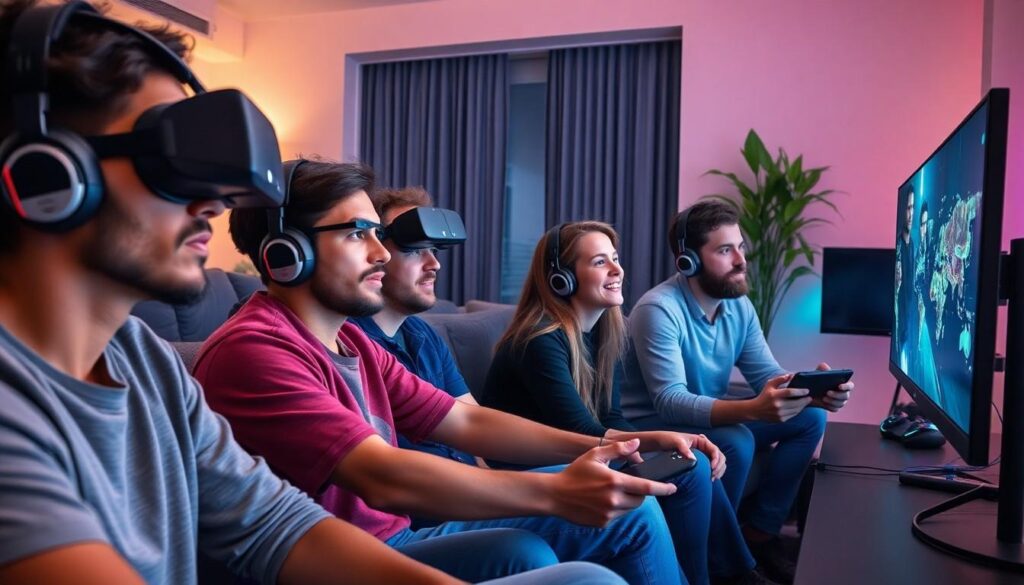
In a world where pixels reign supreme and virtual realms beckon, gaming tech stands at the forefront of innovation. It’s not just about flashy graphics or the latest console; it’s about the immersive experiences that transport players to fantastical worlds. From cutting-edge VR headsets that make you feel like you’re dodging dragons to AI-powered algorithms that tailor gameplay to your every whim, the advancements in gaming tech are nothing short of magical.
Imagine diving into a game where the characters seem to know you better than your best friend. Or picture yourself wielding a controller so advanced it practically plays itself (okay, maybe not quite yet). As gaming continues to evolve, the tech behind it is pushing boundaries and redefining what it means to play. Buckle up; it’s time to explore the gadgets and gizmos that are reshaping the way we game.
Overview Of Gaming Tech
Gaming technology has rapidly evolved, creating immersive experiences that engage players beyond mere graphics and consoles. Innovations such as virtual reality headsets and artificial intelligence algorithms significantly enhance gameplay.
Evolution Of Gaming Technology
The evolution of gaming technology spans several decades, transforming the way games are played. Early consoles such as the Atari 2600 introduced home gaming to the masses. Advancements like 3D graphics revolutionized the gaming landscape in the 1990s. With the introduction of online multiplayer gaming, players began connecting globally, enhancing social interactions. Recent developments in cloud gaming provide access to high-quality gaming experiences without the need for powerful hardware. Innovations in mobile gaming platforms expand the audience, allowing gameplay anywhere.
Key Innovations In Gaming Tech
Key innovations in gaming tech drive excitement and engagement in the industry. Virtual reality allows players to step into fully immersive environments, enhancing realism. Augmented reality integrates digital elements into the real world, creating unique gameplay experiences. AI algorithms customize gameplay by analyzing player behaviors and preferences. High refresh rate displays improve visual performance, making fast-paced games smoother. Additionally, haptic feedback provides tactile sensations, deepening player connections with their games.
Hardware Developments

Hardware developments play a crucial role in enhancing gaming experiences. Innovations in gaming consoles and PC gaming gear drive the industry forward.
Gaming Consoles
Recent advancements in gaming consoles emphasize performance and graphics. Sony’s PlayStation 5 and Microsoft’s Xbox Series X demonstrate this shift toward powerful hardware, featuring custom SSDs for fast load times and ray tracing technology for lifelike visuals. Features like 120 frames per second support and 4K resolution elevate gameplay. Console manufacturers regularly release updates, ensuring compatibility with new titles and enhancing existing performance. Moreover, cross-platform capabilities allow users to connect with friends regardless of their console choice. Enhanced storage solutions now support expandable memory, accommodating large game libraries without issues. These improvements create an immersive environment, captivating gamers worldwide.
PC Gaming Gear
PC gaming gear advancements enhance user experiences significantly. Cutting-edge graphics cards from Nvidia and AMD provide stunning visual fidelity, enabling games to run at higher resolutions and frame rates. Monitors with refresh rates up to 240Hz deliver smooth visuals, improving competitive gameplay. Ergonomic keyboards and gaming mice offer customizable controls and response times tailored for precision. Headsets featuring surround sound and noise cancellation immerse players in their virtual worlds. Gaming laptops now boast powerful hardware comparable to desktops, allowing for flexibility in gaming locations. With customizable RGB lighting and sleek designs, the aesthetic appeal of gaming gear has also surged, attracting enthusiasts.
Software Advancements
Software advancements play a vital role in transforming the gaming landscape. They support the creation of dynamic and engaging experiences for players worldwide.
Game Development Tools
Game development tools continue to evolve, providing developers with innovative resources. Unity and Unreal Engine represent two leading platforms that enable rapid prototyping and high-quality output. Tools like these streamline workflows, making it easier for teams to collaborate and implement complex mechanics. Further, they often include advanced features such as visual scripting and asset management systems. Enhanced support for multi-platform releases increases accessibility for a broader audience. Developers can reach players on consoles, PCs, and mobile devices. This convenience pushes gaming innovation, allowing for captivating and engaging stories across genres.
Graphics Engines
Graphics engines significantly impact visual presentation in gaming. Technologies like ray tracing enhance lighting and shadow effects, resulting in lifelike graphics. The use of DirectX 12 and Vulkan helps optimize performance and improve graphical fidelity on various platforms. Many developers leverage these engines to create immersive worlds that captivate players. Additionally, real-time rendering capabilities enable instant visual feedback, enhancing the development process. Cutting-edge engines often incorporate artificial intelligence, making environments more dynamic and responsive. Enhanced graphics not only elevate player engagement but also attract new audiences eager for breathtaking experiences.
Emerging Trends
Gaming technology continues to evolve rapidly, showcasing innovative solutions that enhance user experiences. Two key areas making significant strides are virtual reality and augmented reality.
Virtual Reality (VR)
VR transforms gameplay by immersing users in fully developed digital environments. Headsets from companies like Oculus and HTC enable realistic simulations, allowing players to engage with games on a deeper level. Unique VR experiences foster a sense of presence, making virtual interactions feel genuine. Developers increasingly leverage VR to create engaging narratives, blending storytelling with immersive elements. The technology also finds applications beyond gaming, influencing sectors like education and training.
Augmented Reality (AR)
AR brings gaming into the real world by overlaying digital content onto physical environments. Popular examples include games like Pokémon GO that encourage players to explore their surroundings. By combining virtual images with real-world settings, AR creates interactive and social experiences. Developers utilize mobile devices to deliver accessible AR, expanding the potential for gameplay. This technology enables a new layer of engagement, making familiar locations exciting and dynamic for players. Major gaming companies recognize AR’s potential, investing in future projects that promise even more innovative applications.
The Future Of Gaming Tech
Gaming technology is on the brink of monumental changes. Innovations promise to redefine the contours of play for many.
Predictions For Gaming Innovations
Predictions for gaming innovations suggest a vibrant future. Game developers will increasingly utilize AI, enhancing personalized experiences that cater to individual player preferences. Enhanced virtual reality will immerse players in lifelike worlds, making gameplay feel more connected and real. Cloud gaming platforms will continue expanding access, allowing seamless experiences on various devices. Additionally, haptic feedback technology is set to grow, offering tactile sensations that elevate engagement levels. Companies are heavily investing in augmented reality, leading to unexpected gameplay scenarios that blend virtual and physical environments. With these advancements, gamers can anticipate an evolution that enhances connectivity and immersion across the board.
Impact On The Gaming Community
The impact on the gaming community will be profound. As technology evolves, social interactions among players could fundamentally change, fostering deeper connections through shared experiences. Enhanced gameplay mechanics, driven by AI and interactive narratives, will attract diverse audiences, encouraging varied participation. The rise of cloud gaming will broaden access, allowing players from different regions to connect without high hardware costs. Furthermore, augmented reality will create community-driven events that invite exploration of local spaces. These developments will unify players, transforming gaming into a more collaborative and engaging activity. With every advancement, the potential for the gaming community to grow and diversify increases, enriching the overall experience.
Conclusion
The landscape of gaming technology is evolving at an unprecedented pace. Innovations like virtual reality and augmented reality are not just enhancing gameplay but are also reshaping how players interact with their environments and each other. As hardware and software continue to advance, the potential for immersive experiences grows, inviting a wider audience into the gaming community.
With the rise of cloud gaming and AI-driven personalization, players can expect more accessible and engaging experiences than ever before. These developments promise to unite gamers across different platforms and locations, fostering a sense of community and shared enjoyment. The future of gaming tech holds exciting possibilities that will redefine what it means to play.